Here’s the Truth About Your Health
For a long time, the world of medicine was divided into silos. If you had a heart problem, you went to a cardiologist. If you had a skin issue, you saw a dermatologist. And if you had a cavity, you went to the dentist. The mouth was treated as if it were a separate entity, disconnected from the rest of the body.
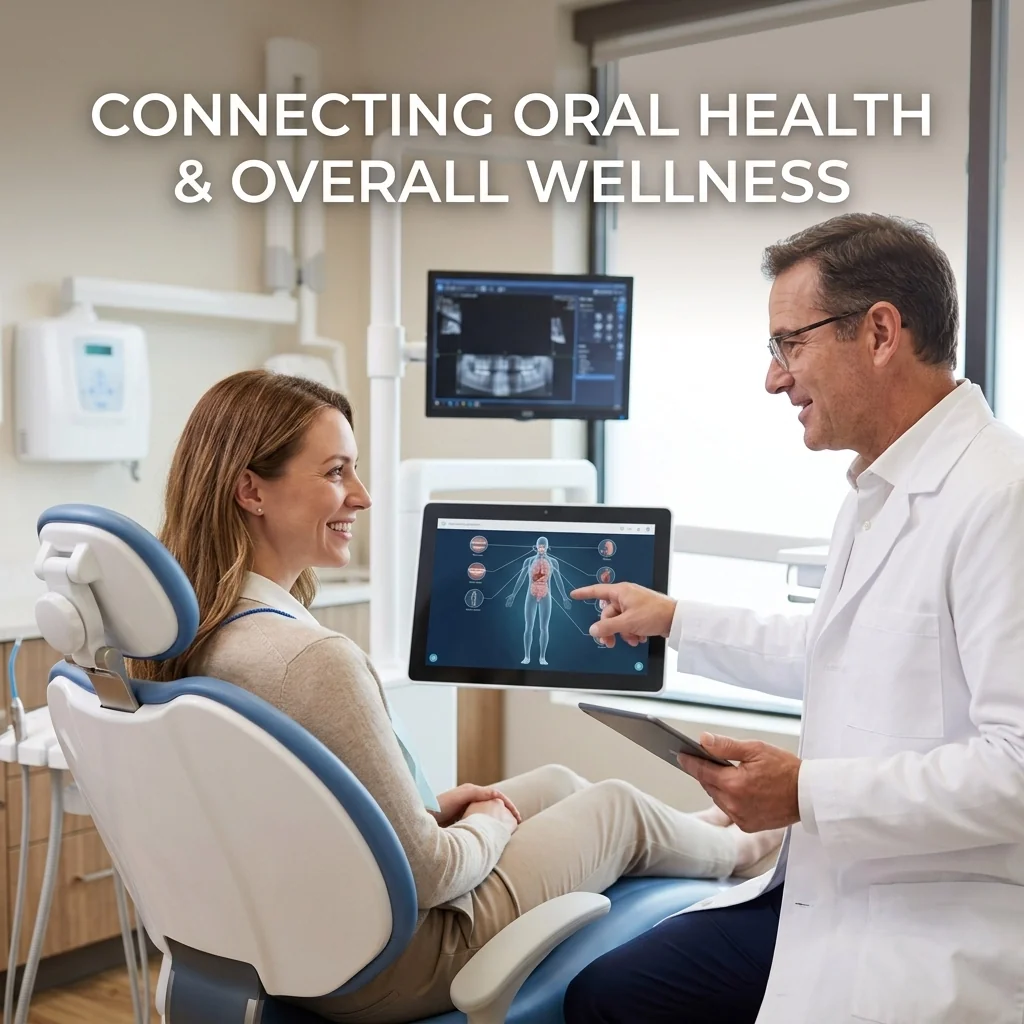
However, in recent years, a shift has occurred. You might have heard terms like “biological dentistry,” “functional dentistry,” or “whole-body dentistry” popping up in health podcasts or wellness blogs. This movement suggests that the health of your mouth is a mirror of your overall health: and vice versa.
So, do you really need a “whole-body” dentist? Does it actually make a difference for your heart, your energy levels, or your longevity? At Functional Aesthetic Dentistry, our mission is where “Health Meets Beauty.” We believe the answer lies in understanding how the systems of your body work together.
What is Functional or Biological Dentistry?
At its core, functional or biological dentistry is an approach that treats the teeth, gums, and jaw as part of the entire human system. While a traditional dentist focuses primarily on fixing a specific problem (like filling a hole in a tooth), a functional dentist asks why that hole appeared in the first place and how the treatment might affect the rest of your body.
Think of it like this: if you have a leak in your ceiling, you can patch the drywall (traditional approach), or you can go into the attic to find the broken pipe and check for mold that might be affecting the air quality of the whole house (functional approach). Both fix the visible hole, but one addresses the root cause and the systemic impact.
In our Summerlin dentist office, we look at the biocompatibility of materials, the way your airway affects your sleep, and how chronic oral inflammation might be taxing your immune system.

The Mouth-Body Connection: The Oral-Systemic Link
The most important concept in whole-body dentistry is the “oral-systemic link.” This is the scientific understanding that what happens in your mouth doesn’t stay in your mouth. Your mouth is the primary gateway to your body. It is filled with bacteria: both good and bad: that can enter your bloodstream through inflamed gums.
Chronic Inflammation and Your Immune System
Inflammation is the body’s natural response to injury or infection. However, chronic inflammation is a major driver of almost every modern disease. If you have gum disease, your body is essentially in a state of “red alert” 24/7. This constant immune response can drain your energy and leave you more susceptible to other illnesses.
Heart Health and Arterial Plaque
Studies show a strong correlation between periodontal disease and heart disease. Research suggests that the same bacteria found in dental plaque can also be found in the fatty deposits (plaques) in the arteries of people with heart disease. When these bacteria enter the bloodstream, they can cause inflammation in the blood vessels, potentially increasing the risk of blood clots and heart attacks.
Diabetes, A Two-Way Street
The relationship between oral health and diabetes is particularly strong. People with diabetes are more prone to gum disease because they are generally more susceptible to infections. Conversely, severe gum disease can actually make it harder for people with diabetes to control their blood sugar. Treating oral infections is often a critical step in managing systemic metabolic health.
Health Meets Beauty, Why We Choose This Path
You shouldn’t have to choose between a healthy body and a beautiful smile. This is why we focus on “Health Meets Beauty.” In the past, some dental materials: like silver-mercury amalgams: were used because they were durable, but they didn’t account for how the body might react to those materials over time.
In modern functional dentistry, we prioritize materials that are “biocompatible.” This means they are designed to work in harmony with your body’s unique chemistry. Whether we are providing dental veneers or dental implants, we want the results to look stunning while ensuring the materials used are as safe as possible for your long-term wellness.
The Role of Modern Technology
A “whole-body” approach is made more effective by modern technology. We no longer have to rely on guesswork.
- Laser Dentistry: We use laser dentistry to treat gum disease with precision, often avoiding the need for invasive surgery and reducing the bacterial load more effectively than traditional scaling.
- Airway Assessment: Many people don’t realize their dentist can be the first line of defense against sleep apnea. By looking at the structure of the mouth and throat, we can identify issues that might be causing you to stop breathing at night, which is a major risk factor for heart disease and chronic fatigue.
- Oral Cancer Screenings: A thorough oral cancer screening is a standard part of our whole-body checkups, ensuring we catch potential issues long before they become systemic problems.
The Biohacker’s Perspective, Oral Longevity
If you are interested in “biohacking” or optimizing your health for longevity, your mouth is one of the best places to start. Maintaining a healthy oral microbiome: the balance of bacteria in your mouth: is just as important as maintaining a healthy gut microbiome.
When your oral health is optimized, your body isn’t wasting resources fighting off “low-grade” infections in your gums. This can lead to improved recovery times, better sleep quality, and higher daily energy levels. For those interested in a deeper dive, we offer The Biohacker’s Guide to Oral Longevity to help you understand the intersection of dental care and anti-aging science.
Do You Actually Need This Approach?
While traditional dentistry provides essential services, a whole-body or functional approach is particularly beneficial if:
- You have chronic health issues like heart disease or diabetes.
- You suffer from unexplained fatigue or inflammation.
- You are concerned about the materials being used in your mouth.
- You want to focus on prevention rather than just “drilling and filling.”
- You value a healthcare provider who looks at the big picture.
Fortunately, choosing a functional approach doesn’t mean you have to sacrifice the “general” care you need. At our practice, we provide comprehensive general dentistry with a whole-body mindset.
Practical Steps for Better “Whole-Body” Oral Health
You don’t have to wait for your next appointment to start taking a functional approach to your health. Here are a few simple recommendations:
- Prioritize the Basics: Brushing and flossing are non-negotiable. They are the simplest ways to keep systemic inflammation at bay.
- Watch Your Sugar Intake: Sugar doesn’t just cause cavities; it feeds the bad bacteria in your mouth that can lead to gum disease and systemic issues.
- Breathe Through Your Nose: Mouth breathing can dry out your oral tissues, altering your microbiome and increasing the risk of decay and gum issues.
- Listen to Your Body: If your gums bleed when you brush, don’t ignore it. That is an open wound and a sign of infection that needs professional attention.
A New Standard of Care
The truth is, your mouth is not an island. It is a vital part of your cardiovascular, respiratory, and digestive systems. By choosing a dentist who understands the “whole-body” connection, you are making an investment in your long-term health that goes far beyond a bright smile.
At Functional Aesthetic Dentistry, we are proud to serve the Las Vegas and Summerlin communities with an approach that honors both science and aesthetics. Whether you are looking for teeth whitening to boost your confidence or a deep dive into your oral-systemic health, we are here to help you bridge the gap.
If you are ready to experience the difference that “Health Meets Beauty” can make, we invite you to contact us for a consultation. Let’s look at the big picture together.