Digital Dentistry for Busy Lives, Same-Day Crowns & Fillings
Your work schedule is packed, your weekends are booked, and finding time for multiple dental appointments feels impossible. If this sounds familiar, you’re not alone. Modern digital dentistry has revolutionized how dental treatments are delivered, making it possible to complete crowns and fillings in a single visit. This technological advancement means you can walk into your dentist’s office with a damaged tooth and leave the same day with a fully restored, functional smile.
Digital dentistry combines advanced scanning technology, computer-aided design, and in-office fabrication to eliminate the traditional multi-week process that once required multiple appointments, temporary restorations, and lengthy waiting periods.
The Traditional Dental Workflow Challenge
Historically, getting a crown meant committing to a process that could take three to four weeks and require multiple appointments. The traditional workflow involved taking messy impressions with putty-like materials, wearing uncomfortable temporary crowns, and waiting while your restoration was fabricated at an outside laboratory. During this waiting period, temporary crowns could fall off, food could get trapped underneath them, and you’d need to be careful about what you ate.
For dental fillings, while typically completed in one visit, traditional methods often required more extensive tooth preparation and longer appointment times due to the limitations of older materials and techniques.
This multi-step approach created several challenges for busy professionals:
- Time away from work for multiple appointments
- Discomfort from temporary restorations
- Risk of complications between visits
- Anxiety about wearing temporary crowns
- Dietary restrictions during the waiting period
How Digital Dentistry Transforms Your Experience
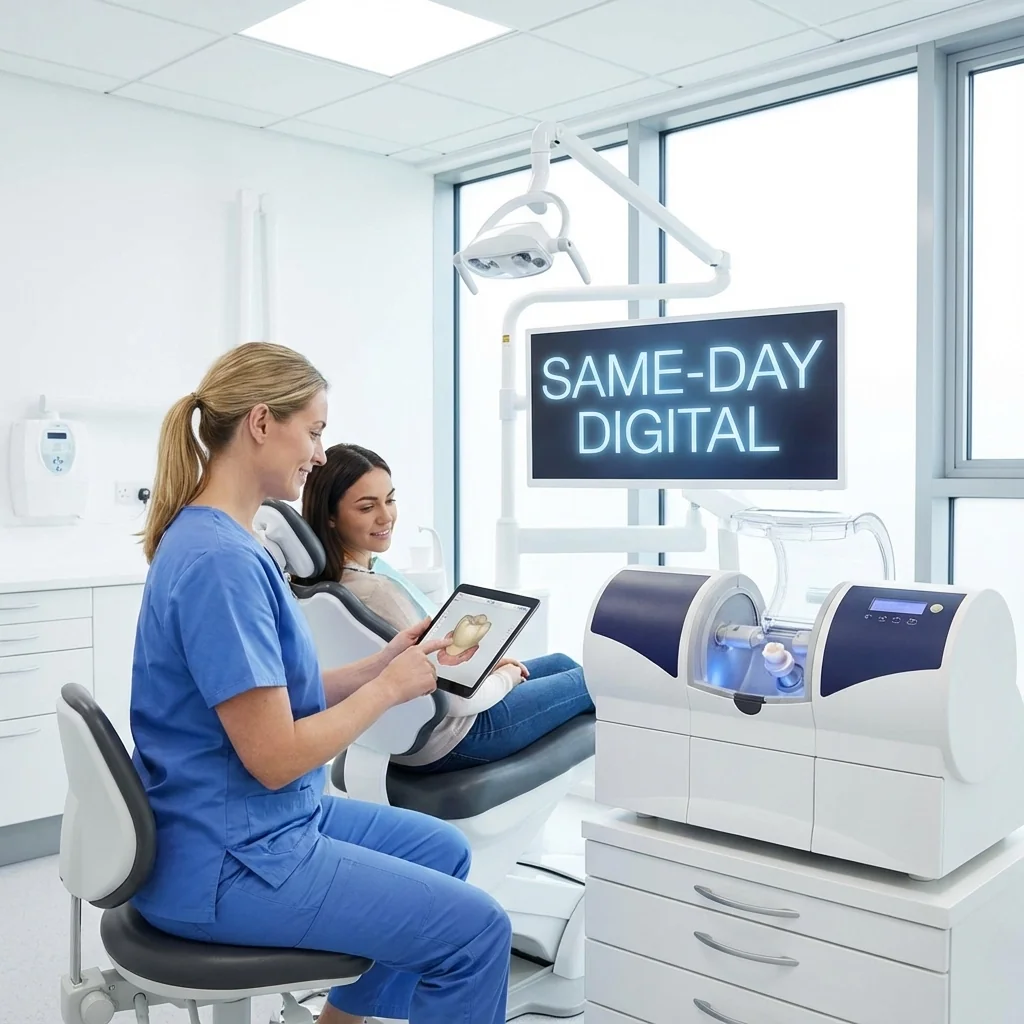
Digital dentistry eliminates most of these complications through advanced technology that brings the entire restoration process into your dentist’s office. Instead of sending impressions to an outside lab, your dentist can design, fabricate, and place your restoration in approximately 60 to 90 minutes.
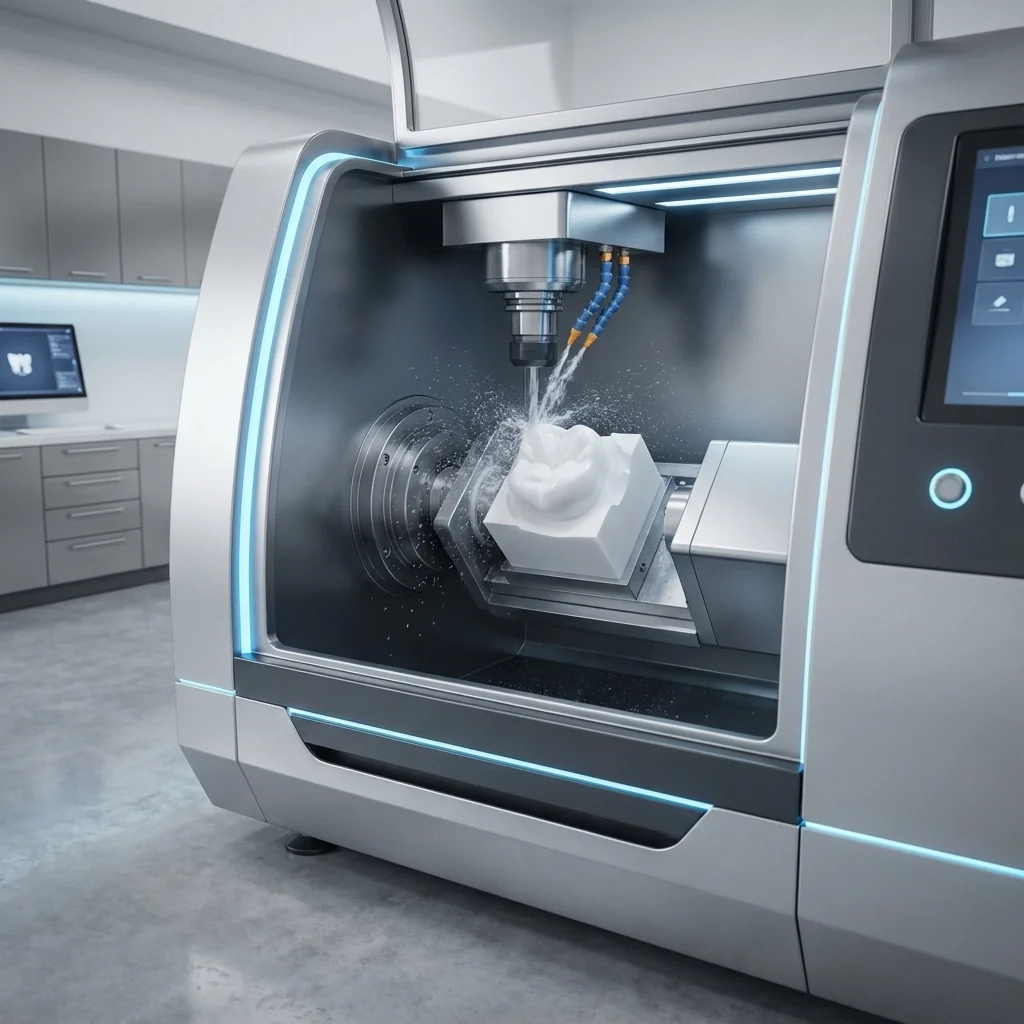
The process begins with digital scanning technology that captures precise three-dimensional images of your teeth without the need for traditional impression materials. These digital impressions are immediately processed by computer-aided design software that creates a virtual model of your restoration. Within minutes, this design is sent to an in-office milling machine that carves your crown or creates your filling material from high-quality ceramic or composite blocks.
Same-Day Crown Technology in Detail
Same-day crowns represent one of the most significant advances in restorative dentistry. The entire process happens during a single appointment, typically lasting between 60 and 90 minutes. Here’s how the digital workflow unfolds:
Digital Scanning and Preparation
Your dentist begins by preparing your tooth, removing any decay and shaping it to accommodate the crown. Instead of taking traditional impressions, a small digital scanner captures thousands of images per second to create a precise 3D model of your prepared tooth and surrounding teeth.
Computer-Aided Design
The digital impression is immediately processed by specialized software that designs your crown to match your natural bite and smile. Your dentist can adjust the design in real-time, ensuring optimal fit and appearance before fabrication begins.
In-Office Fabrication
The crown design is sent to a precision milling machine that carves your restoration from a solid block of dental ceramic. This process typically takes 10 to 15 minutes, during which you can relax in the treatment room.
Immediate Placement
Once fabricated, your crown is bonded to your prepared tooth using advanced dental adhesives. Final adjustments are made to ensure proper bite alignment, and your restoration is polished to match the luster of your natural teeth.
The precision of digital technology often results in crowns that fit better than traditionally manufactured ones. Digital scanning captures details that impression materials might miss, and computer-aided design ensures consistent, accurate results.
Digital Fillings: Speed and Precision Combined
While same-day crowns get most of the attention, digital technology has also revolutionized dental fillings. Digital scanning allows your dentist to precisely map the cavity and surrounding tooth structure, enabling more conservative tooth preparation and better-fitting restorations.
Computer-aided design helps ensure that digital fillings are shaped to restore your tooth’s natural anatomy and bite pattern. This precision often results in fillings that feel more natural and last longer than those created using traditional methods.
Advanced materials used in digital fillings can be precisely matched to your natural tooth color and translucency, making them virtually invisible once placed. These materials bond more effectively to tooth structure when placed using digital protocols, potentially reducing the risk of future decay around the restoration.
Time Savings That Transform Your Schedule
The most obvious benefit of digital dentistry is the dramatic reduction in time commitment. Traditional crown procedures required:
- Initial consultation and treatment planning
- Tooth preparation and temporary crown placement
- Two to three week waiting period
- Second appointment for permanent crown placement
- Possible third appointment for adjustments
Digital dentistry compresses this timeline into a single appointment. You can schedule a crown or complex filling during a lunch break or after work and return to your normal activities immediately afterward.
For busy professionals, this means:
- No time off work for multiple appointments
- No disruption to travel plans
- No anxiety about temporary restorations
- Immediate return to normal eating and speaking
- Single anesthetic injection instead of multiple injections across appointments
Enhanced Comfort and Reduced Complications
Digital dentistry often provides a more comfortable experience than traditional methods. Digital scanning eliminates the need for impression materials that can trigger gag reflexes or cause discomfort for patients with sensitive oral tissues.
Since your restoration is completed in one visit, you avoid the potential complications associated with temporary crowns:
- Temporary crowns falling off or becoming loose
- Food getting trapped under temporary restorations
- Increased sensitivity from exposed tooth structure
- Risk of infection between appointments
- Discomfort from ill-fitting temporary restorations
The precision of digital technology also often means fewer adjustments are needed after placement, as restorations are designed to fit accurately from the start.
Quality and Longevity Considerations
Digital restorations are manufactured from high-quality materials using precise computer-controlled processes. This consistency often results in restorations that fit better and last longer than traditionally manufactured alternatives.
The materials used in digital dentistry are continually improving. Modern dental ceramics and composites offer excellent strength, durability, and aesthetic properties. Many digital restorations are indistinguishable from natural teeth in appearance and feel.
However, it’s important to understand that while digital technology offers many advantages, the success of any dental restoration still depends on proper oral hygiene, regular dental checkups, and avoiding habits that can damage teeth, such as grinding or chewing on hard objects.
What to Expect During Your Digital Dental Visit
Arriving for a digital dental appointment is similar to a traditional visit, but with some key differences. Your appointment will likely be longer than a routine cleaning but shorter than the combined time of multiple traditional crown appointments.
Your dentist will explain the digital process and show you the 3D images of your teeth on a computer screen. Many patients find it interesting to see the detailed digital models and understand how their restoration will be designed.
During fabrication, you can relax in the treatment room, read, or even watch the milling process if your dentist’s office allows it. Some practices provide entertainment options during the waiting period.
Once your restoration is complete, your dentist will check the fit and make any necessary adjustments. Most patients can eat normally within a few hours after placement, though your dentist may recommend avoiding very hard or sticky foods for the first day.
Making Digital Dentistry Work for Your Lifestyle
Digital dentistry represents a significant advancement in making quality dental care accessible to people with demanding schedules. By eliminating multiple appointments and reducing treatment time, these technologies remove many of the barriers that prevent busy professionals from maintaining optimal oral health.
If you’re considering digital dental treatment, discuss your schedule and lifestyle needs with your dentist. Many practices offer flexible scheduling options for same-day procedures, including early morning or evening appointments to accommodate work schedules.
The investment in digital dental technology by dental practices reflects a commitment to patient convenience and treatment quality. As these technologies continue to advance, we can expect even greater improvements in treatment speed, comfort, and outcomes.
For busy professionals who have been postponing necessary dental treatment due to time constraints, digital dentistry offers a practical solution that fits modern lifestyles while delivering high-quality, durable results.